Landscape Maintenance Ideas That Make Yard Care Easier
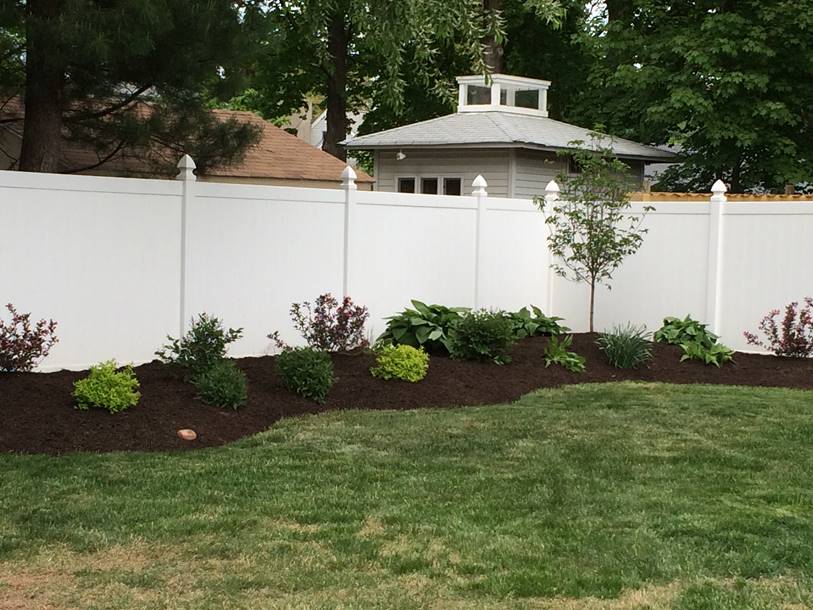
A well-kept yard rarely comes from working harder. It usually comes from making a few smart decisions early, then letting those decisions reduce the amount of time, water, cleanup, and repair the space demands over the year. That is the real value of good landscape maintenance. It is not only about appearance. It is about lowering friction.
Most homeowners start with good intentions. They buy plants they like, edge beds sharply in spring, spread fresh mulch, and imagine the yard will more or less hold itself together. By midsummer, weeds push through thin mulch, turf in the hottest area turns brittle, shrubs creep over walkways, and irrigation problems show up after the utility bill arrives. None of that means the yard is a lost cause. It usually means the landscape was not set up for easy care.
The easiest yards to maintain share a few traits. They match the site, they avoid unnecessary complexity, and they account for the way people actually use the space. I have seen modest front yards stay sharp with very little weekly effort because the plant choices were disciplined and the materials were practical. I have also seen expensive installations become a chore within a season because every bed had a different planting scheme, the turf reached into awkward corners, and there was no clear plan for watering or pruning.
If the goal is to make yard care easier without sacrificing curb appeal, the answer is not to strip everything down to gravel and call it done. Low effort does not have to mean lifeless. It means building a landscape that carries its weight.
Start by reducing the number of problem areas
When a yard feels overwhelming, it is usually because it contains too many small trouble spots. A narrow strip of grass between the driveway and fence. A bed edge with five different groundcovers that grow at different rates. A thirsty plant under a roof overhang where rain never reaches. These spots consume time out of proportion to their size.
One of the most effective landscape maintenance ideas is to walk the property and identify where the labor keeps coming from. Not where the yard looks messy today, but where it repeatedly asks for intervention. Maybe a certain corner always floods. Maybe one hedge needs trimming every three weeks while everything else is stable. Maybe a tree drops enough debris to clog the drain and stain the patio.
Once those pressure points are obvious, the maintenance strategy becomes clearer. Simplify the turf shape so mowing takes fewer turns. Widen beds so grass does not creep into tight curves. Replace high-demand plants in the hardest-to-water zone with species that can handle reflected heat and inconsistent moisture. Good maintenance often looks like redesign in small doses.
I once worked around a side yard that people dreaded. It had stepping stones set in turf, a narrow bed along the wall, and a drip line that was half-buried and constantly snagged during edging. The owners thought they needed a better mower. What they really needed was fewer moving parts. We removed the turf between the stepping stones, used compact gravel with steel edging, grouped the plants more intentionally, and corrected irrigation coverage. The weekly burden dropped immediately, not because anyone became more disciplined, but because the space stopped fighting back.
Choose plants for the conditions you have, not the look you want for one month
Plant selection is where easy maintenance is either won or lost. A plant can be healthy and still be wrong for the space if it outgrows its placement, needs frequent shaping, or resents the local soil and weather. The yard may survive, but someone will pay for it in pruning, fertilizing, spraying, replacing, or watering.
The most reliable way to lower maintenance is to choose plants that fit the mature size of the space and tolerate the actual conditions of the site. That means being honest about sunlight, drainage, winter exposure, summer heat, and deer pressure if that is part of the area. It also means paying attention to how the plant grows, not just how it looks in a nursery container.
Fast growers deserve special caution. People often plant them for quick privacy or instant fullness, then discover they need hard pruning twice a year. There is nothing inherently wrong with a vigorous shrub or screen planting, but the maintenance cost should be understood upfront. Slow and moderate growers are usually easier to live with over time, especially near walkways, foundations, and patios.
It also helps to repeat fewer plant varieties in stronger groupings. A yard with twelve kinds of shrubs in single scattered placements tends to feel fussier and usually is fussier. Each species may need different pruning timing, spacing, and moisture. Repetition simplifies care and often looks more deliberate. Three masses of the same durable shrub, underplanted with one dependable groundcover, are easier to maintain than a collector’s mix of one-off specimens.
Native plants often earn their reputation for lower maintenance, but they are not universally effortless. A native species placed in the wrong setting can flop, spread too aggressively, or look stressed. The better approach is to treat native plants as strong candidates rather than automatic answers. Site fit still matters more than labels.
Mulch matters, but only when it is done properly
Mulch is one of the most useful tools in landscape maintenance, and also one of the most misunderstood. A properly mulched bed holds moisture better, suppresses weeds, protects roots from temperature swings, and gives the whole yard a more finished look. A poorly mulched bed can create rot, invite pests, and waste money.
Depth is the first issue. In most ornamental beds, about two to three inches is enough. Less than that breaks down too quickly to block weeds. More than that can suffocate shallow roots and trap too much moisture against stems. The volcano mulch piled against tree trunks is still one of the most common mistakes in residential landscapes. It looks tidy from a distance, but over time it can damage bark and encourage roots to circle too close to the trunk.
The second issue is what lies underneath. Fresh mulch spread over established weeds is cosmetic, not preventive. It can buy a little time, but those weeds often return fast, especially if the layer is thin. Beds are easier to manage when weeds are removed before mulching and the soil is lightly cultivated only where it makes sense. Overworking soil can bring buried weed seeds right to the surface.
Mulch type affects maintenance as well. Shredded hardwood stays in place well on level ground and around shrubs. Pine bark can look cleaner and decompose nicely, though lighter pieces may drift in stormwater. Stone mulch has a place, especially near foundations or in dry heat, but it tends to collect debris and can make later planting changes harder. It also raises surface temperature in some exposures, which can stress nearby plants.
A good mulching routine usually involves a more substantial application in spring or early summer, then modest touch-ups where breakdown or washout occurs. A full re-mulch every year is not always necessary. In many established beds, it is more sensible to top up lightly than to keep burying the same root zone under fresh material.
Lawn care gets easier when the lawn gets smaller and smarter
Turf is often the largest maintenance item in a yard. It needs mowing, edging, watering, feeding, and repair. That does not mean every lawn should be eliminated. It means lawn area should be intentional.
If a section of grass is rarely used and difficult to maintain, that is the first place to rethink. Steep slopes, dry strips along pavement, deep shade under mature trees, and tiny isolated patches are common candidates for conversion. Groundcovers, mulch beds, ornamental grasses, or even a wider planting border can reduce effort significantly while making the space look more cohesive.
For the lawn that remains, shape matters more than many people realize. Long sweeping lines and open rectangles mow far faster than a collection of nibbling curves and narrow projections. Every extra angle turns mowing into a trim job. When I see homeowners spend forty-five minutes maintaining a small lawn, it is often because the design created six different edge conditions and multiple hard-to-reach corners.
Grass variety matters too, though choices depend on region. In cool-season areas, the difference between a turf mix suited to sun and one forced into half shade is the difference between a lawn that thickens naturally and one that needs constant patching. In warm-season climates, matching the grass to traffic, irrigation habits, and winter appearance expectations can save a lot of frustration.
Watering practice is where many lawns become more labor intensive than they need to be. Frequent shallow watering encourages weak roots and can create disease pressure. Deeper, less frequent watering is usually better once grass is established, though exact timing depends on soil type, heat, and local restrictions. The point is to train resilience, not dependence.
Irrigation should remove guesswork, not add it
A landscape does not become low maintenance just because it has an irrigation system. A poorly designed system can waste water, create disease, and still leave plants thirsty. The easier setup is one that reflects the actual needs of the site.
Lawns, foundation shrubs, containers, and perennial beds should not always be on the same watering schedule. They dry at different rates. Full sun, reflected heat, and tree root competition can also make one bed behave very differently from another just a few feet away. Zoning irrigation to match plant needs is one of the smartest upgrades a homeowner can make.
Drip irrigation is especially useful in shrub and perennial beds because it applies water directly where roots need it and keeps foliage drier than overhead spraying. That can reduce fungal problems and cut down on evaporation. It is not maintenance-free, though. Emitters clog, lines shift, and mulch can hide damage for weeks. Seasonal inspection makes a big difference.
Controllers also deserve a reality check. Smart timers can help, especially in regions with variable weather, but they still need oversight. Rain sensors fail. Settings drift. One zone can leak slowly enough to avoid attention while still saturating a bed. A five-minute monthly inspection often catches issues before they become expensive.
Here is a short maintenance check that pays off year-round:
- Run each irrigation zone briefly and watch for broken heads, clogged emitters, or spray hitting pavement.
- Check whether mulch or plant growth is blocking water from reaching the root zone.
- Adjust timers seasonally instead of leaving one summer schedule in place all year.
- Look for signs of chronic overwatering, including yellow foliage, algae, soft soil, or mushroom growth.
- Confirm that downspouts and drainage patterns are not undoing your watering plan.
That small routine prevents many of the problems people blame on plants. Often the issue is not the shrub or turf variety. It is uneven moisture.
Prune less by pruning at the right moment
Many homeowners think easy maintenance means avoiding pruning, but neglected pruning can create more work later. The better strategy is selective, well-timed pruning that preserves the natural form of the plant and keeps growth in scale.
The worst maintenance cycle is repeated shearing of plants that were never meant to be boxes or spheres. It creates dense outer growth, shade inside the shrub, and a constant need for touch-ups. It also often makes flowering weaker. Some formal hedges are meant to be clipped. Many landscape shrubs are not.
A lighter hand usually saves time over the long run. Remove dead, crossing, or poorly placed branches. Thin where airflow and shape need improvement. Reduce size by cutting back to a branch junction instead of shaving everything evenly across the surface. Plants maintained this way often need less frequent attention and look healthier between visits.
Timing matters because pruning at the wrong season can remove flower buds, stimulate vulnerable new growth before a freeze, or stress a plant during extreme heat. Spring-flowering shrubs are a common example. If they are pruned too hard in late winter, the bloom display is lost. Summer-blooming shrubs are more forgiving, but even then, severity should match the plant’s vigor and purpose.
Trees deserve similar care. Structural pruning when a tree is young is far easier than correcting crowding, low limbs, or weak branch attachments once the canopy is mature. That is one of the least glamorous maintenance investments and one of the most valuable.
Edging, hardscaping, and access can make or break routine care
Maintenance does not happen in theory. It happens with a mower, pruners, a hose, a wheelbarrow, and someone trying to move through the yard efficiently. That is why practical access matters so much.
Beds with clear, durable edges reduce grass creep and make mowing cleaner. The edge can be cut into soil, installed in metal, or created with pavers, depending on style and budget. What matters is that it establishes a real boundary. Vague transitions between turf and planting beds are where extra trimming time accumulates.
Paths also help more than people expect. If reaching the back corner of the yard means stepping through muddy turf or squeezing past overgrown shrubs, that corner will receive less regular care. A simple utility path with gravel or stepping stones can make pruning, debris removal, and seasonal cleanup easier. Beauty and practicality are not separate issues here. Ease of access tends to improve consistency, and consistency improves appearance.
Hardscape surfaces should be chosen with maintenance in mind as well. Irregular stone joints can collect weeds. Fine gravel migrates into beds and lawn if it is not edged well. Timber borders eventually decay. Concrete and large-format pavers are often easier to keep clean, though surface finish matters in shady areas where algae can develop.
Plan around the seasons instead of reacting to them
Yard care becomes easier when the year has some rhythm to it. Most landscape maintenance headaches come from deferred small tasks turning into large ones. Beds that were easy to weed in April become a slog in June. A clogged gutter outlet that could have been cleared in ten minutes becomes a drainage trench through the mulch after a storm.
A seasonal approach does not need to be rigid. It just needs to catch the big categories before they pile up.
- Early spring is the time for cleanup, irrigation checks, fresh edging, and selective pruning before growth accelerates.
- Late spring through summer calls for monitoring water, spot weeding, mowing adjustments, and quick intervention when pests or disease first appear.
- Early fall is ideal for planting, lawn repair in many regions, and reducing overcrowded growth while temperatures are milder.
- Late fall is when leaves, drainage, winter protection, and tool maintenance deserve attention.
That framework keeps the workload more even. It also leads to better decisions. A shrub that looks weak in August might be suffering from water stress, root competition, or poor siting. Looking at it again in fall, when conditions are less extreme, often gives a clearer picture of whether it needs treatment, relocation, or replacement.
The easiest yard is one that matches how you live
A final truth about lower-effort landscapes is that they should fit the household, not an idealized picture from a magazine. A family with children and pets needs durable surfaces, open play space, and plants that can handle occasional abuse. A frequent traveler needs irrigation reliability and restrained plant growth. An avid gardener may enjoy higher-touch planting beds but still benefit from simplifying the rest of the property.
There is no prize for maintaining features you do not use. If a large annual display by the front walk feels like a burden every July, replace it with a stronger perennial and shrub composition. If a backyard lawn is mostly there out of habit, consider whether a patio expansion, shade bed, or low groundcover would serve the space better. The best maintenance savings often come from being honest about what the yard is for.
This is also where budget choices become clearer. Spending a bit more upfront on better bed lines, proper irrigation zoning, durable edging, or plants that fit at maturity can spare years of repetitive labor. Cheap installations often become expensive in maintenance because they were not designed to settle into the site gracefully.
Good landscape maintenance is less about constant effort and more about reducing the need for rescue work. When the plant palette makes sense, the watering is tuned to the site, the turf is limited to useful areas, and the details support routine care, the yard becomes easier to keep up without looking stripped down or generic. That is the sweet spot most homeowners want, and https://landenxbym924.talesignal.com/posts/landscape-maintenance-solutions-for-uneven-growth-and-bare-spots it is usually achievable with a series of practical adjustments rather than a complete overhaul.
Majestic Mowing & Landscaping LLC
Phone number: +19733975532
FAQ About Landscape Maintenance
What is landscape maintenance?
Landscape maintenance is the ongoing care, cleaning, and upkeep of outdoor green spaces to keep them healthy, safe, and attractive.
Is $100 an hour too much for landscape work?
An hourly rate of $100 is not too much for specialized or professional landscape work, though it sits at the higher end of the standard pricing spectrum.
How much do landscapers charge for maintenance?
For professional landscaping maintenance, homeowners typically pay $100 to $410 per month for recurring services, or an hourly labor rate of $50 to $100 per hour per crew member.